
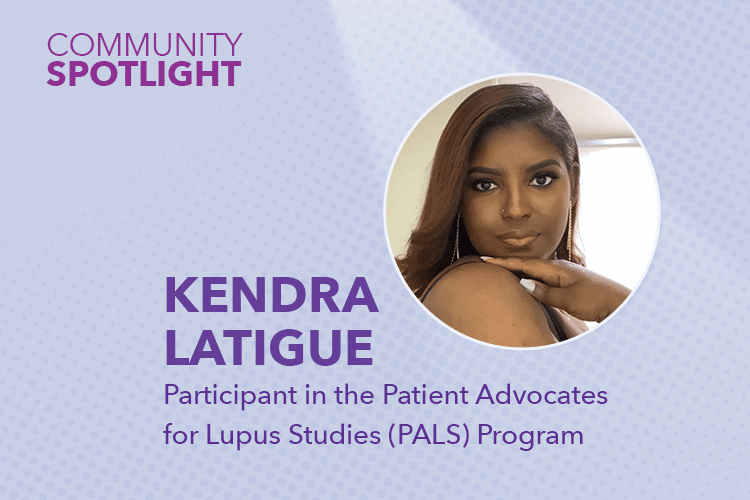
From the first time Kendra Latigue shared her lupus diagnosis on social media, she was surprised to find true community. Friends came to her side, sending messages of support and wondering if this diagnosis could explain her previous bouts of sickness, like missing days in elementary school.
Looking back, Kendra agrees that her lupus symptoms were in plain sight all those years ago. But it wasn’t until she had endured years of persistent and indescribable fatigue, loss of appetite, and repeated hospitalizations that doctors finally diagnosed her with lupus at 23.
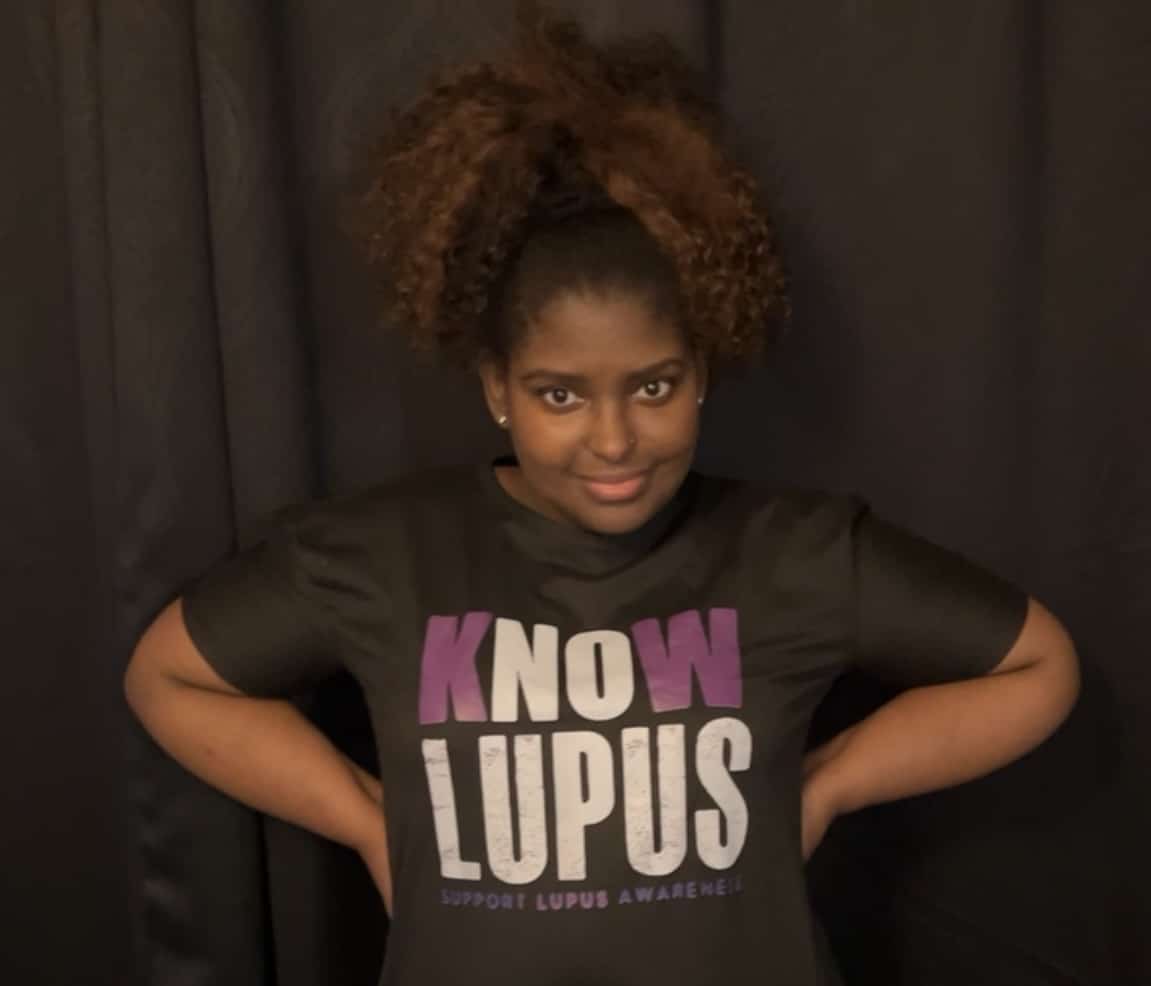
Over the past nine years, Kendra has thrived on learning all she can about lupus and the incredible discoveries delivered through research. Along the way, she continues to seek out community. And, she has found that and more by joining the Patient Advocates for Lupus Studies – affectionately called PALS – an innovative program by Lupus Therapeutics, the clinical affiliate of the Lupus Research Alliance, designed to help people better understand and navigate clinical research.
Finding Hope in Knowledge
For years, Kendra’s lupus had been consistently overlooked and dismissed – even by herself. While lupus had been vaguely suggested by concerned bystanders watching her struggle, multiple doctors mistook the signs.
After being diagnosed, Kendra turned to learning and research as a way to regain hope and feel empowered about her future.
“I do my own research on what’s happening in lupus research,” says Kendra, even delving into how the disease is being treated in other countries like Canada and the U.K. for indications of what might be possible. She pores over the Lupus Research Alliance and Lupus Therapeutics websites, taking note of promising breakthroughs that hold the seeds for transformative treatments.
The more she learned, the more her mindset shifted.
In the past, whenever she was approached about clinical trials as a treatment option, Kendra always dismissed the idea. To consider participation, she wanted to see positive data first.
That is until she had one flare that landed her in the hospital where she had a grand mal seizure that required emergency brain surgery.
“I never knew that lupus could affect the brain,” she remarked. “I realized that we need to do something major. We need a cure, and clinical research is the only way to get one.”
Determined to Be a Part of the Solution
After expressing interest in learning more, Kendra’s doctors suggested she look into PALS – the first and only program that connects individuals interested in lupus clinical research with patient advocates who have participated in research and are trained to educate them on the clinical trial process and offer peer support.
Through the program, Kendra was paired with Stacey Kennedy-Conner. Using her own experience and the PALS curriculum, Stacey guided Kendra through the clinical trial process, what is really involved, how participation could complement her treatment plan, and why joining a trial is so important.
Over the past year, with Stacey’s encouragement, Kendra has explored finding the right trial match for her. Sometimes she didn’t meet the exact criteria needed to be eligible for a particular study. Most recently, she was advised to wait until a current flare had subsided, and her symptoms were stable.
Undaunted, Kendra is steadfast in her determination to join a trial when the right opportunity presents itself.
Caring in Sharing
While Kendra continues to explore opportunities, one of the most meaningful outcomes is finding “a true PAL in Stacey.”
The two enjoy a uniquely supportive pen-PAL relationship. Texting or calling, Stacey checks in regularly to see how Kendra is doing. Hearing Stacey’s story – balancing career ambitions while managing lupus – has allowed Kendra to see that long-term goals remain, even with an unpredictable disease.
Kendra has found that sharing her experience with Stacey and her own social media network has brought her an incredible outpouring of support. Former classmates have become consistent cheerleaders. Strangers also navigating life with lupus have become devoted friends. What once felt isolating, now feels shared.
That comfort she has found in opening up with Stacey and others with lupus is why Kendra wants to become a PAL herself.
“I now have the knowledge along with the passion,” she said. “I want to inspire the younger generation to talk about their lupus, to join the community, to learn about the PALS program, explore clinical trial participation, and to get involved.”
While her community has expanded, Kendra’s close family and relatives remain a constant source of strength in her life, along with a few very best friends who continue to support her through every stage of her journey. During particularly overwhelming moments, their presence has served as a reminder that she is not alone and that support is always close by.
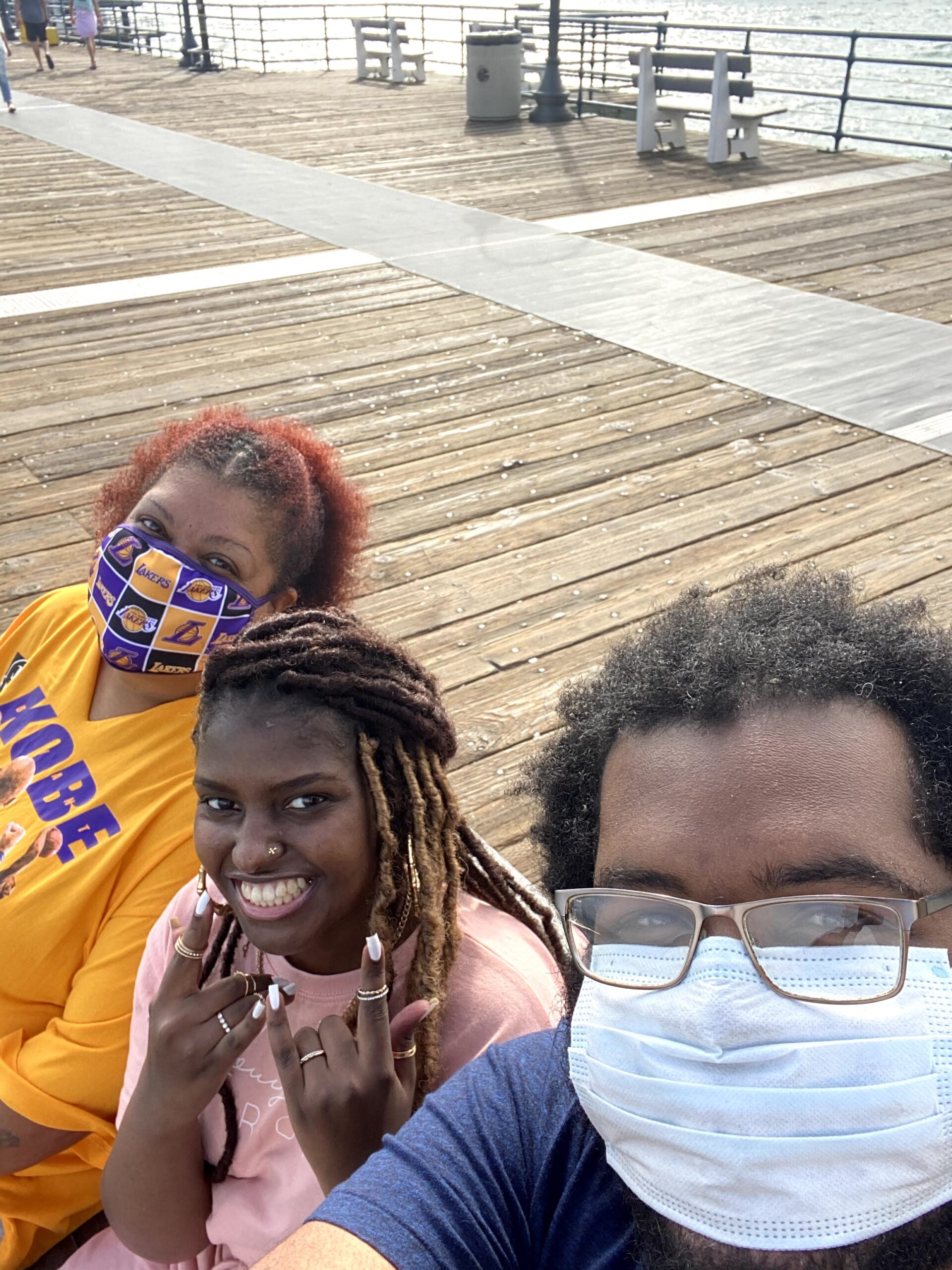
“I locked myself in the bathroom for a good cry,” she shared. “From the other side of the door, my mom asked if I was okay. She acknowledged how much I had been through and when I came out, she just gave me the best hug and kisses on my forehead filled with so much love and encouragement.”

Like many people living with lupus, Kendra sometimes mourns a version of herself she remembers before her diagnosis. But she doesn’t stay in the past. She looks ahead.
“I am looking forward to the day I know is coming – when we have a cure,” she says. “And when that day comes, we will all get a little something of ourselves back!”
To learn more about the PALS program, visit here.
Tags: PALS, Kendra Latigue, Stacey Kennedy-Conner, Patient Advocates for Lupus Studies