
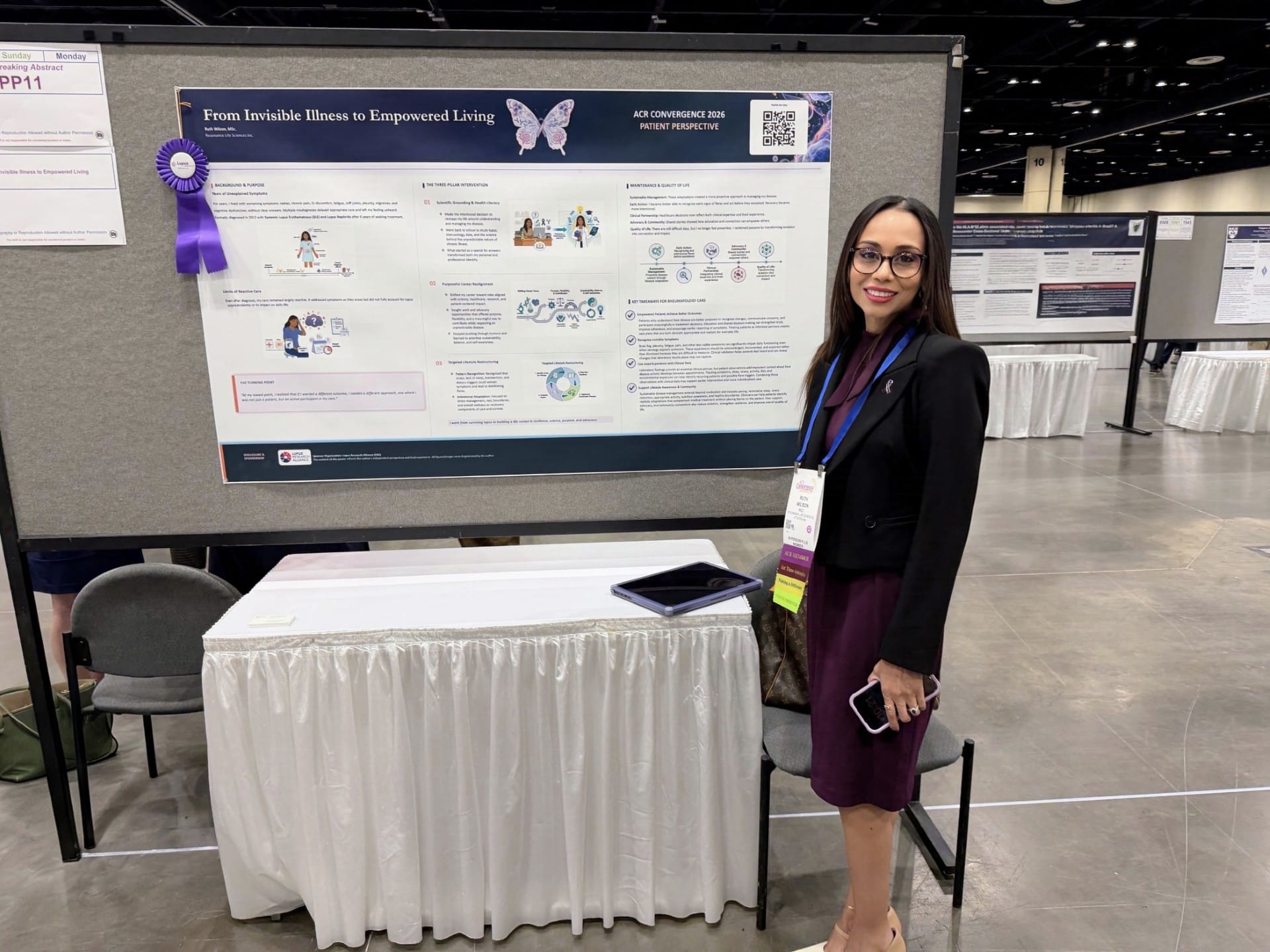
When Ruth Wilson presented her poster, From Invisible Illness to Empowered Living, at ACR Convergence 2026, she brought a perspective often missing from professional meetings: how scientific advances matter most when they improve the lives of people living with lupus.
Selected for presentation at the premier annual meeting for rheumatologists, Ruth’s poster explored how education, purposeful career choices, and lifestyle adaptations helped her move from feeling powerless to becoming an active participant in her care.
Ruth has long served in multiple Lupus Research Alliance patient leadership roles and works to ensure that patient voices remain part of conversations shaping the future of lupus care. But her journey to this moment has been anything but straightforward.
Turning a Lupus Diagnosis into a Journey of Purpose
For years, Ruth experienced rashes, chronic pain, fatigue, migraines, cognitive challenges, and joint stiffness. Despite repeatedly seeking medical care, answers remained elusive for six years.
Six years of debilitating symptoms later, when Ruth was formally diagnosed with systemic lupus erythematosus (SLE), lupus had already affected her kidneys, leading to a diagnosis of lupus nephritis.
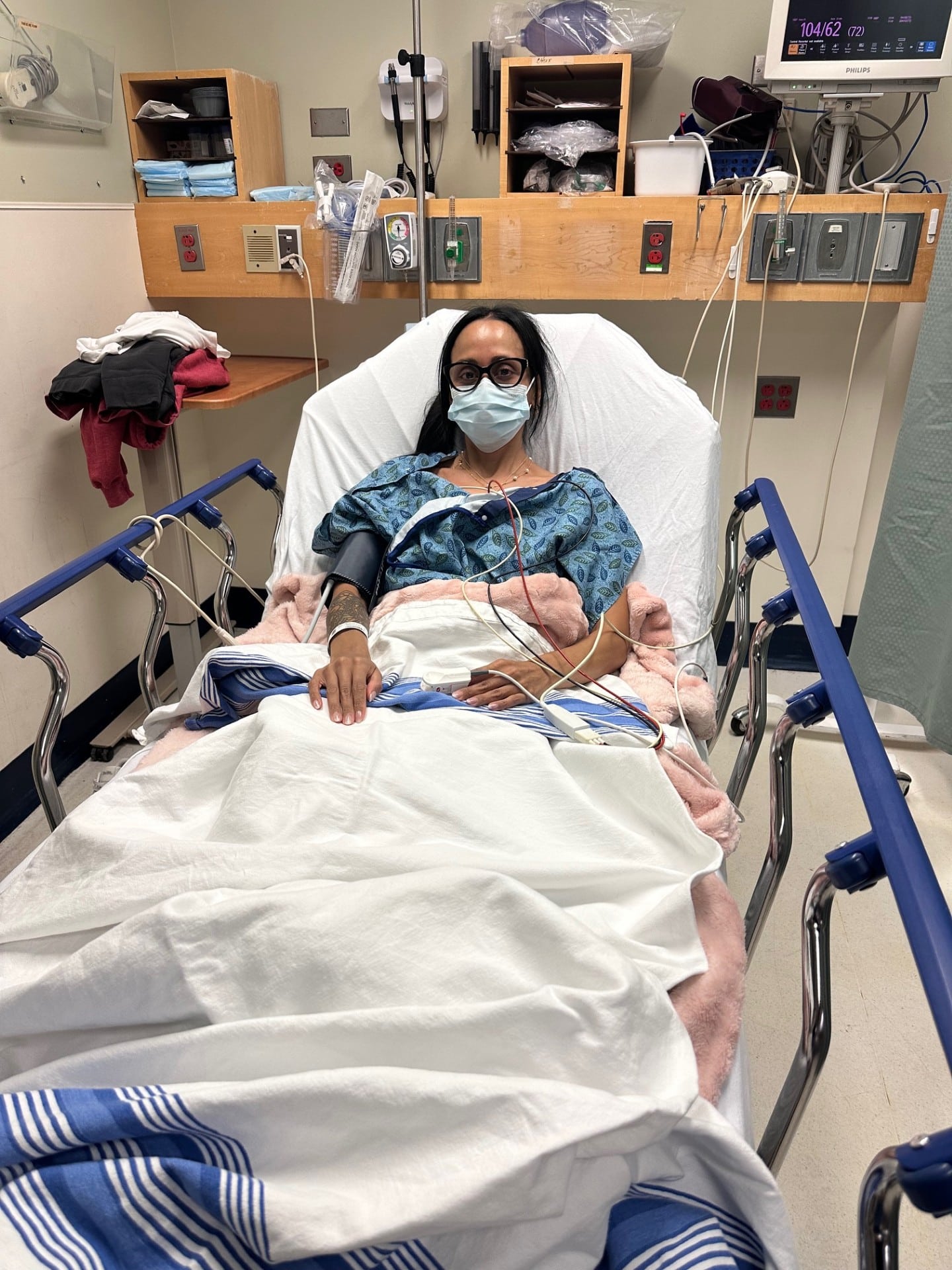
That diagnosis was just the beginning of an unexpected but fulfilling journey. “I realized I couldn’t control the fact that I had lupus. But I could change how I engage with it.”
“When I first learned about the disease, I didn’t understand a lot of the language doctors were using,” she says. “I wanted to understand what was happening inside my own body.”
Beyond reacting to symptoms, she became determined to better understand lupus and participate more actively in her care decisions.
That effort started with education. Her desire to learn eventually led her back to school and into lupus and immunology research. Ruth worked in research laboratories, studied the immune system, and ultimately earned a master’s degree in data science.
“What started as trying to understand my own illness ended up changing my professional identity.”
Over time, Ruth became very intentional about where she spent her energy, both personally and professionally. Living with lupus taught her that energy is a finite resource. Rather than pushing through exhaustion and burnout, she learned to prioritize work that reflected her passion for advancing patient-centered healthcare and research.
“I started asking myself, ‘What is the impact of what I’m doing?'” she says. “Is it meaningful enough for me to spend my energy on?”
The Power of Adaptation
Another important lesson was learning to adapt her lifestyle to support her health.
For Ruth, she has learned to pay close attention to sleep, stress, nutrition, activity levels, and the patterns surrounding flares.
She encourages others living with lupus to learn their own patterns and triggers, keep open communication with their healthcare providers, and become familiar with the disease itself.
“Knowledge helps you recognize changes earlier and communicate what you’re experiencing more effectively.”
Finding Community Through the Lupus Research Alliance
One of the most meaningful parts of Ruth’s journey has been finding a community that understands life with lupus.
After first discovering educational resources on the Lupus Research Alliance website LupusResearch.org, she watched a Young Leaders Board (YLB) webinar on cognitive health and lupus. At the time, she was struggling with brain fog and feeling isolated.
“Watching this video, I felt seen,” she says. “What they were describing was exactly what I was experiencing.”
Inspired by what she learned, Ruth reached out and soon became actively involved with the Young Leaders Board.
“You learn about lupus and meet people who understand what you’re experiencing.”
Today, in addition to being on the Young Leaders Board, she serves in several patient engagement roles across the Lupus Research Alliance community, including being part of the Patients Advocate for Lupus Studies (PALS) peer to peer support program, the Patient Protocol Review Council and other initiatives that connect patients directly with researchers, clinicians, and industry leaders.
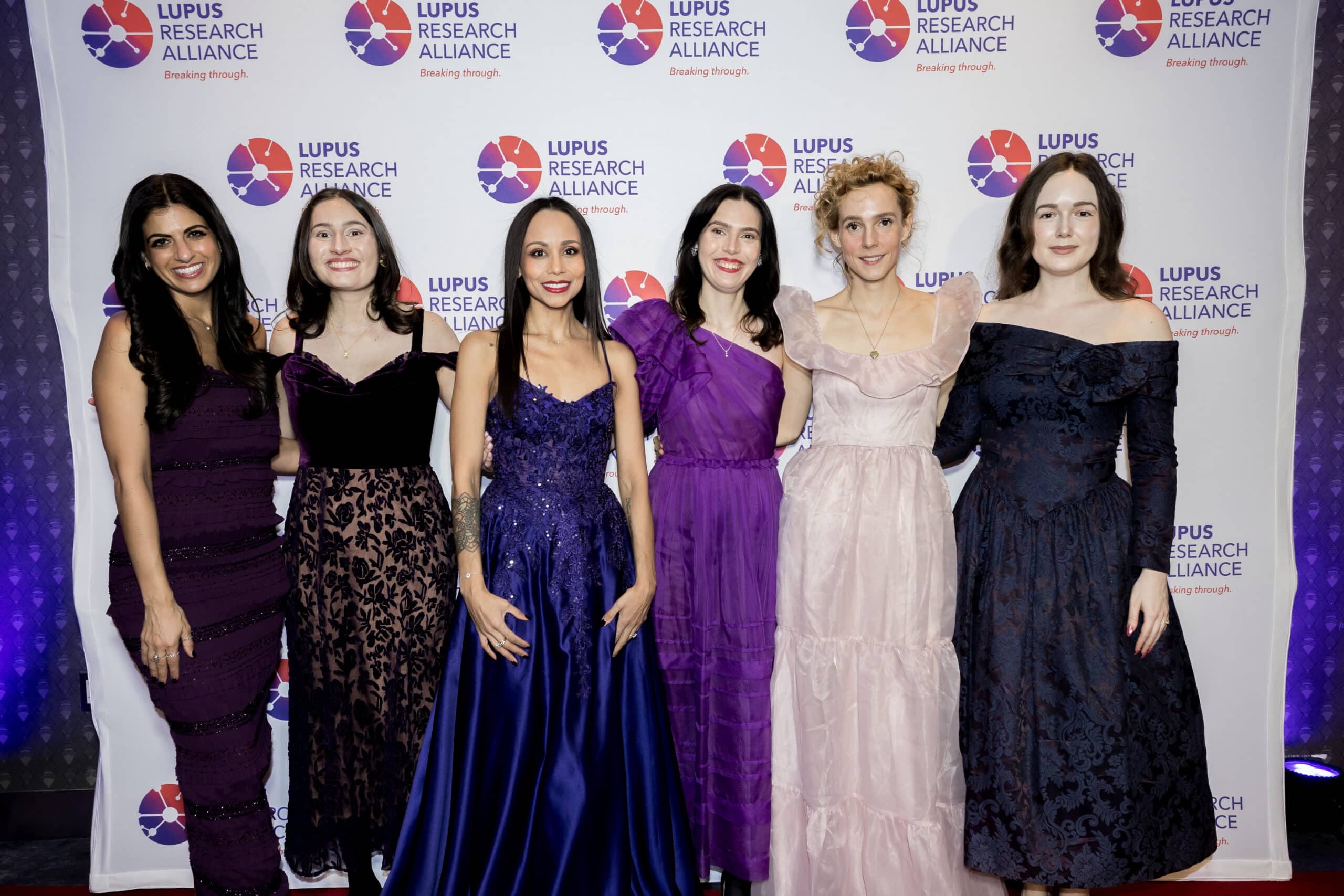
“Research and lived experience shouldn’t exist in separate worlds,” she says. “The more dialogue we create between patients, researchers, and clinicians, the more complete our understanding of lupus becomes– and the more quickly progress can be made to improve treatment options.
The Power of the Patient Voice
Ruth’s message to the thousands attending ACR Convergence 2026 and whenever she speaks at professional forums is simple but powerful: scientific advances matter most when they improve the lives of people living with lupus.
“It’s important for researchers to know the why behind their work, what’s important to us as we live, and how what they discover actually affects the patients,” she says.
When speaking with scientists, Ruth highlights the impact of invisible symptoms like fatigue and brain fog, as well as life challenges from work and family. She hopes sharing her experience helps keep research connected to the people it is meant to serve.
“I really want clinicians to hear that educating their patients is essential so they can participate meaningfully in their own care.”
For people who are newly diagnosed, Ruth offers reassurance. While lupus may change the path you envisioned, Ruth believes it can also lead to unexpected growth, purpose, and connection. Through research, advocacy, and patient engagement, she found a sense of empowerment.
“My version of empowerment doesn’t mean my lupus disappeared,” she says. “It means I no longer feel powerless.”
Tags: YLB, Patient Protocol Review Council, Stephanie Patti, Abby Schottenstein, Patient Advocates for Lupus Studies, Sarah Schottenstein, PALS, Kristin Mounts, Ruth Wilson, Nancy Mize Gonzalez, Young Leaders Board, ACR Convergence 2026