
Immune reprogramming in Systemic Lupus Erythematosus following CD19 CAR T cell treatment
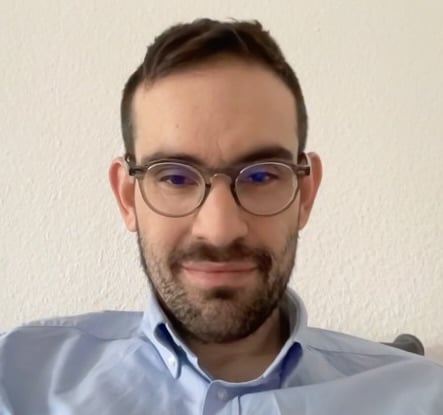
Panagiotis Garantziotis, MD, PhD
Assistant Physician
Uniklinikum Erlangen
Department of Internal Medicine 3-Rheumatology and Immunology
General Audience Summary
Systemic lupus erythematosus (SLE) or simply, lupus, is a chronic autoimmune disease in which the immune system attacks the body’s own tissues, causing widespread inflammation and organ damage. Current treatments often control symptoms but rarely achieve lasting, drug-free remission, and many patients experience persistent, treatment-resistant disease. Recent clinical studies suggest that a novel therapy using CD19 chimeric antigen receptor (CAR) T cells- immune cells engineered to target and eliminate B cells- can induce profound and long-lasting remission in patients with severe, refractory SLE. Our preliminary findings indicate that this therapy triggers a unique “immune reset,” dampening inflammatory signals and reshaping immune cell metabolism, suggesting deeper effects than conventional B-cell-targeted treatments. This project aims to understand how CD19 CAR T-cell therapy achieves these remarkable results. We will follow a group of SLE patients treated with CAR T cells or conventional B-cell therapies, collecting blood and bone marrow samples over a year. Using advanced single-cell techniques, we will map how B cells develop, how immune tolerance is restored, and how blood-forming stem cells are reprogrammed following treatment. We will also investigate whether CAR T cells persist long-term in the bone marrow and how they evolve to maintain remission. By combining these analyses, this study will provide the first detailed, long-term view of how CAR T cells reshape the immune system in SLE. Understanding these mechanisms will reveal how durable remission is achieved and guide the development of safer, more precise, and more effective treatments for patients with refractory lupus.
Scientific Abstract
Systemic lupus erythematosus (SLE) is a heterogeneous autoimmune disease marked by profound immune dysregulation, defective B cell tolerance, and aberrant hematopoiesis. Although recent advances have expanded the therapeutic armamentarium, durable, drug-free remission remains infrequent and treatment refractoriness poses a major unmet need. Early clinical evidence indicates that CD19 chimeric antigen receptor (CAR) T-cell therapy induces profound B cell depletion and can achieve long-lasting clinical and serological remission in severe, refractory SLE. Our preliminary data show that CD19 CAR T-cell therapy induces a distinct transcriptional ‘reset’, characterized by suppression of type I/II interferon signaling and metabolic reprogramming- indicative of deeper immune remodeling as compared to conventional B-celldirected therapies. However, the biological mechanisms by which CD19 CAR T cells induce durable disease modification- and whether this treatment can restore central B cell tolerance- remain largely unknown. This proposal aims to elucidate how CD19 CAR T-cell therapy remodels B-cell development, restores central immune tolerance, and reprograms hematopoiesis in SLE. We will expand our longitudinal inception cohort of refractory SLE patients treated with CD19 CAR T cells or conventional B-cell depleting agents (rituximab, obinutuzumab). Serial peripheral blood and bone marrow (BM) aspirates (baseline, 6, and 12 months) will be subjected to high-dimensional flow cytometry, single-cell multiome profiling, and B-cell receptor (BCR) repertoire sequencing to define treatment-induced immune alterations. We will perform deep single-cell transcriptomic and epigenomic analysis of BM CD19+ B-lineage cells to map developmental trajectories and tolerance checkpoints across therapies. Parallel profiling of BM-derived CD34+ hematopoietic stem and progenitor cells (HSPCs) will assess whether CAR T-cell therapy reverses the aberrant hematopoietic priming characteristic of SLE. To investigate potential mechanisms underlying sustained remission, we will additionally evaluate whether CD19 CAR T cells establish long-term tissue residency within the BM. By integrating single-cell transcriptomic data with TCR repertoire profiles from the infusion products and matched BM samples, we will reconstruct the phenotypic trajectories of infused T cells as they transition from cycling effector states toward memory or tissue-resident subsets, and assess the persistence of individual clones within bone marrow niches. Together, this study will provide the first integrated, longitudinal analysis of CD19 CAR T-cell-mediated immune reprogramming in SLE. By elucidating how CAR T cells restore central B cell tolerance, remodel hematopoietic stem and progenitor cells, and reshape the autoreactive BCR repertoire, this work will provide critical insights into the mechanisms driving long-lasting remission in SLE and inform the development of more precise and effective B cell-targeted therapies for patients with refractory disease.