
Creation of a single-cell derived shared autoimmune framework for the study of SLE, T1D, and MS
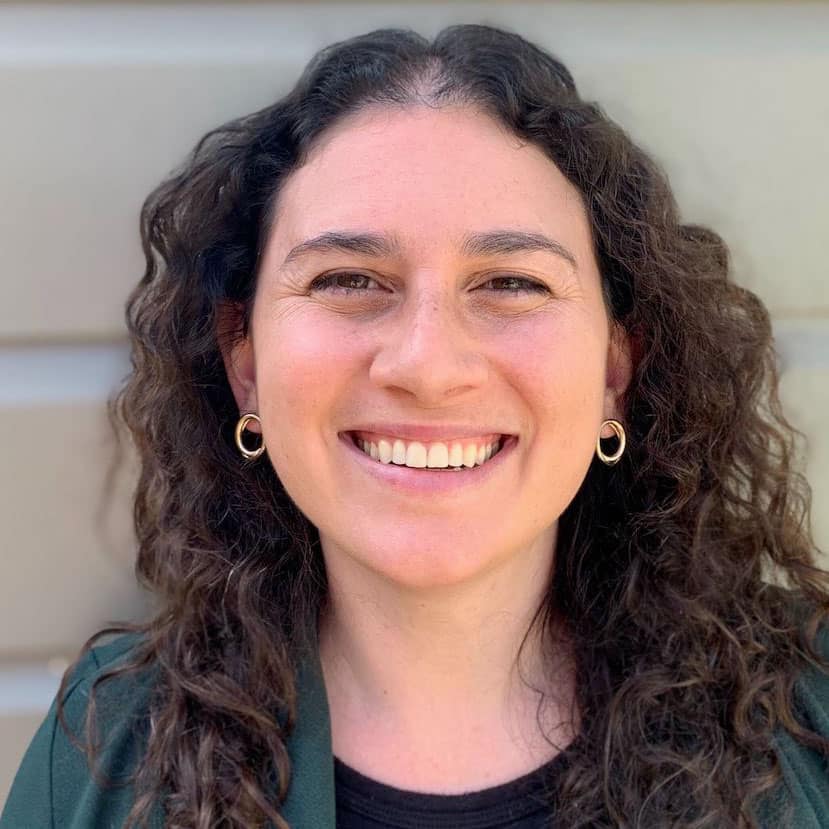
Gabriela Fragiadakis, PhD
Associate Professor
The Regents of the University of California, San Francisco
Medicine
General Audience Summary
Autoimmune diseases such as lupus, type 1 diabetes, and multiple sclerosis are usually studied separately, which has led to foundational understanding of how each disease uniquely operates. However, growing evidence suggests that these diseases may share important biological features, and that treatments developed for one disease could also help subsets of patients with another. In this project, we will take a new approach by looking for common patterns across these autoimmune diseases rather than focusing on their traditional diagnostic classifications. We will analyze large, detailed datasets that examine individual immune cells from patients with lupus, type 1 diabetes, and multiple sclerosis. By comparing these cells at a very fine level, we hope to identify shared immune features that are observed across the three diseases. Our team has successfully used a similar strategy in the context of cancer, where identifying shared immune patterns helped explain differences in disease outcomes and response to treatment. Here, we will apply these methods to autoimmune diseases by combining data from several studies and identifying types of immune cells that appear to be more or less prevalent in these diseases. We will also look for shared sets of genes that are being engaged in all three diseases. Overall, this study will provide the first broad and integrated view of the common immune features underlying several autoimmune diseases. By uncovering shared biology across patients, our work could reveal new targets for drug development and help speed the development of more effective, personalized treatments for people living with autoimmune conditions.
Scientific Abstract
Lupus, type 1 diabetes (T1D), and multiple sclerosis (MS) have traditionally been considered in isolation for their disease-specific pathologies, despite emerging evidence that promising therapies in one condition may be helpfully repurposed in another. In this project, we propose to leverage the rich datasets that use singlecell profiling on patients with these conditions to create a common framework of autoimmune disease defined by shared and distinct cellular and molecular patterns, rather than disease classification. We have been successful in using this approach in the context of cancer archetype definition for the classification of solid tumors based on their immune patterns that informed disease outcomes. We will integrate single-cell sequencing datasets across autoimmune diseases and determine archetype enrichment shared across lupus, T1D, and MS. We will further derive shared gene programs using factorization approaches to identify dysregulation common to the three diseases. In summary, our study is uniquely positioned to create the first comprehensive survey of focused on identifying shared compositional and transcriptomic patterns across autoimmune disorders. By revealing shared biology across patients, our findings will provide a groundbreaking framework for pinpointing promising drug development targets. This, in turn, has the potential to significantly expedite the journey towards new and effective personalized therapeutic interventions for autoimmune disease.