Engineered cell therapies have been generating significant excitement as researchers explore whether advances that have transformed some cancer treatments could also help people with lupus. Early studies suggest these therapies may be able to “reset” the immune system, raising the possibility of long-lasting remission for some adults with lupus.
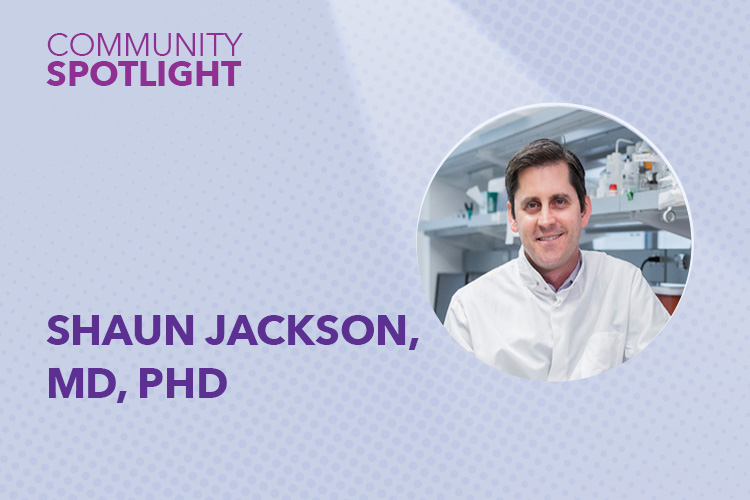
As this area of investigation continues to progress, one outstanding pediatric rheumatologist and nephrologist at Seattle Children’s Hospital, Shaun Jackson, MD, PhD, is exploring the potential for using engineered cell therapy to transform the future for children with lupus.
After receiving Lupus Research Alliance (LRA) funding to study the causes of childhood lupus nephritis in 2023, Dr. Jackson was selected as one of the first recipients of the Targeted Research Program on Engineered Cell Therapies for Lupus award. With this support, he is now passionately focused on studying cell-based therapies for children with lupus, with a particular focus on chimeric antigen receptor (CAR)-T cell therapy. In a recent conversation, Dr. Jackson explains how the therapy works, why he believes it holds such promise, and why he is hopeful about the future of lupus care.
What research are you currently working on?
About a decade ago, my research focused on understanding the role of B cells, a type of immune cell that contributes to lupus. At one point, I worried we were headed in the wrong direction when a major clinical trial of a b cell-targeting treatment for lupus nephritis failed.
However, over the years, our research continued to point to the same conclusion: B cells play an important role in lupus. With that in mind, we conferred with our colleagues here at Seattle Children’s Hospital who were developing CAR-T cells to treat kids with cancer about whether this approach could work in lupus. And, when researchers in Europe published promising results in adults with lupus, we were determined to test CAR-T cells in a pediatric trial.
Because CAR-T cell therapy is so complex, the FDA required that we first test CAR-T cells in adults with lupus before expanding to include younger patients. Today, we are approved to enroll patients between the ages of 2-30 – and we hope to fully open the study to patients of all ages by the end of 2026.
Why do you feel optimistic about the potential for CAR-T cell therapy in pediatric lupus?
We’ve already seen encouraging results.
One of the first patients enrolled in our trial was a pre-teen with severe lupus who had tried multiple treatments that suppressed his immune system without meaningful improvement. Given how sick he was at such a young age, we were very concerned about what his future health might look like. After treating him with CAR-T cell therapy as part of our trial, he has now gone six months without needing immunosuppressive medication. Seeing one of our sickest patients go into remission has been incredibly encouraging and suggests that CAR-T cell therapy may be potentially transformative.
However, it’s important to note that CAR-T cell therapy is still investigational and not without risks.
Why is it important to expand pediatric lupus trials?
Children often have the most severe forms of the disease, and not everyone responds to available treatments that aim to treat symptoms by suppressing the immune system. Organ damage is likely to accumulate as years go by. But if we can achieve remission before the disease progresses, we have the possibility of preventing organ and tissue damage often seen in adults with lupus. Also, lupus trials are already struggling to meet goals for enrollment, and lowering the age requirements could help ensure enough patients participate and represent this group in the trial.
Something too that I see often in my role — because parents are closely involved with their kids’ care, compliance with the trial regimen is much more likely among children than young adults out on their own.
How should a parent explore the possibility of their child joining a trial like yours?
We see families from all around the country. A parent should first talk to their child’s pediatric rheumatologist. Parents can also learn about available trials on the website clinicaltrials.gov.
What motivated you to devote your career to pediatric lupus research?
Many factors came together in this one specialization combining pediatrics, rheumatology, and nephrology.
Compared with adult care, I found that pediatrics offers the opportunity to benefit the most patients by impacting them over a lifetime with the potential to prevent future complications. I was also fascinated by lupus as a disease with so many different and complex symptoms.
And, with all of these interests, I wanted to become a physician-scientist, allowing me to focus primarily on research that can impact kids’ future, while still getting to help improve the lives of my patients in the present.
What is bringing you hope for treating your patients with lupus?
What gives me tremendous hope is the prospect of changing the trajectory of the lives of our pediatric patients – from trying to get the disease and its symptoms under control by suppressing the immune system to actually bringing about disease remission while preventing much of the accumulated damage that we see in adults. We are confident that over time, taking immune-resetting therapies will only get easier and more effective.
Learn more about Dr. Jackson’s funded research from the LRA and about immune-resetting therapies from the Lupus Research Alliance’s clinical affiliate, Lupus Therapeutics.
Tags: Immune Resetting Therapies, Seattle Children's Hospital, Dr. Shaun Jackson